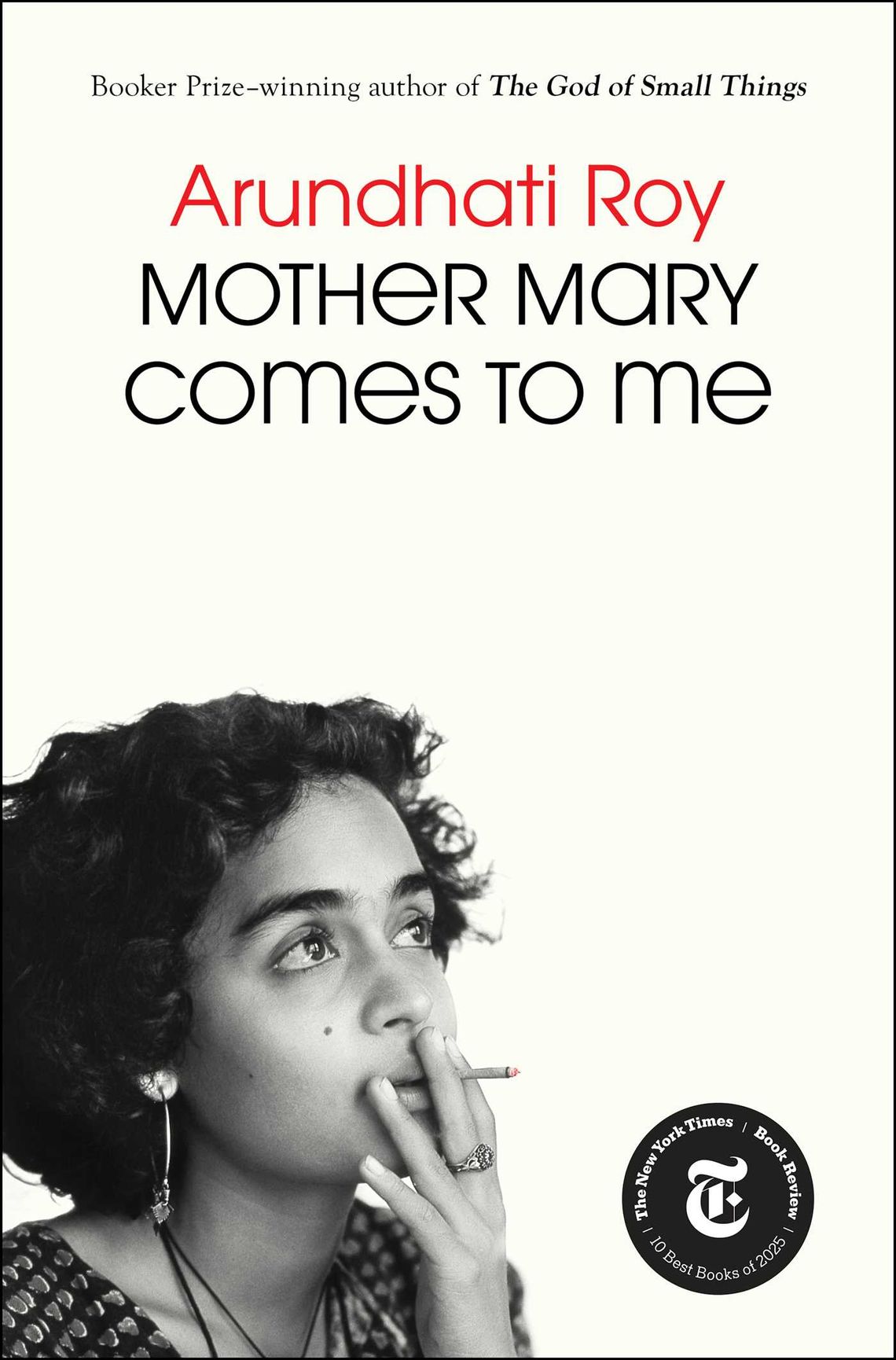
Mother Mary Comes to Me
I have been reading Arundhati Roy for decades and recently read Mother Mary Comes to Me. I tried to explain what the book was for me to a friend I don’t see that often. She responded, “after writing a book about my own mother, I don’t feel the need to read anything else about mothers.” I realized driving home that I must not have done a great job describing this book to them.
Arundhati’s mother Mary Roy is an important thread to be sure. But the book has many layers. It’s about Arundhati Roy’s books—their geneses, the impact of her family of origin on her writing, her mother’s idiosyncrasies, even her shortcomings. But it also tenderly imparts how her mother came to be who she was— because of physical health challenges, by way of intergenerational inheritance, relative to sociocultural injustice— fiercely antagonistic to patriarchy and misogyny.
Indian history has much to teach us about our own, including about the impacts of authoritarian regimes, racism, relentless violence to the spirit, and fake news. Much resonates with current-day Amerika, which for me was one of the most important things about the book.
Yes, the book includes key themes in the relationship with her mother. It does so in a way that honors her—her resistance to injustice and her mother’s commitment to the school she founded, Pallikoodam, through which she educated hundreds of children across decades. The book illustrates just how much influence Arundhati’s mother had on her own sense of justice, the choices she has made, and even why she writes the books she writes.
For those of you who have loved Arundhati Roy’s books, fiction or nonfiction, she also shares historical moments in India, details from her personal life, portraits of key figures in her life; anti-authoritarian heroes of the 21st century, documentary filmmakers, architects, scientists, revolutionaries. These are the rich contexts in which she created her own books—what impacted her in writing specific texts and even what the experience of publishing was like. The valences of her stories make the books I have read of hers even more powerful. Even the meteoric rise of The God of Small Things is grounded in humanity.
I have not read Ministry of Utmost Happiness yet. But I will. Roy met John Berger after she had begun writing her latest novel. When she met him, he insisted (despite no mention of working on anything) that she read to him from whatever she was working on. Arundhati Roy writes of this experience that Berger could have “written a book called Ways of Listening. He listened with his whole body. As though my words were rain and he was the earth…It was love, there’s no other word for it” (286). When Roy finished reading from Ministry, he said “I want you to promise me that you will go home and finish the book…If anything happens to upset you, remember that I’m standing right behind you like an old elephant, flapping my ears to cool you down” (287). She writes it might be the most beautiful thing that anybody ever said to her.
One more thing of note, Arundhati Roy is the narrator for the audiobook. I listened to it and read the hardcover in turns. Having her read this book to you is marvelous.
Mother Mary Comes to Me (Scribner 2025)/(Simon & Schuster Audio 2025)